WORKSHOP · MEDIATION · PERFORMANCE
Cuerpografías
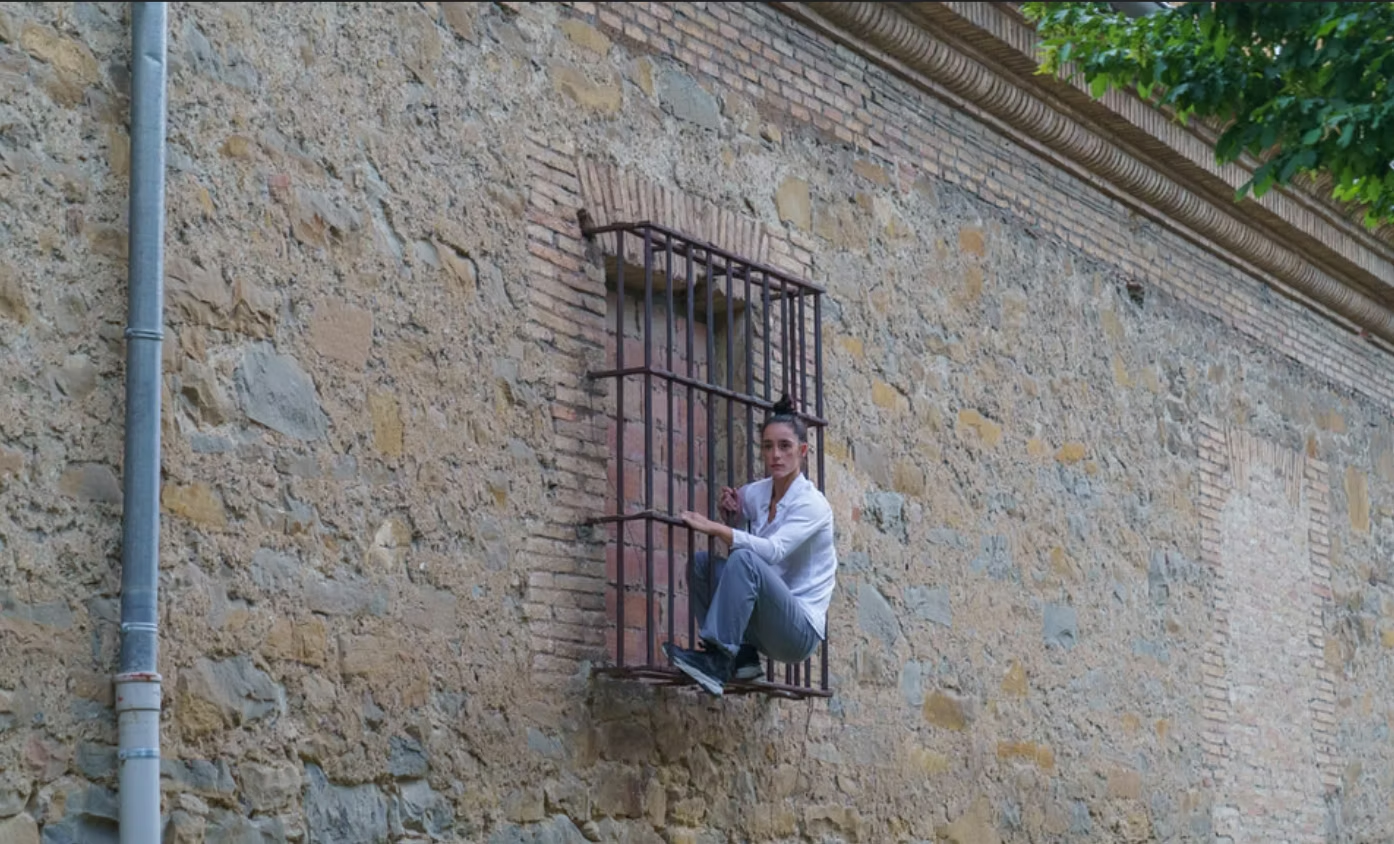
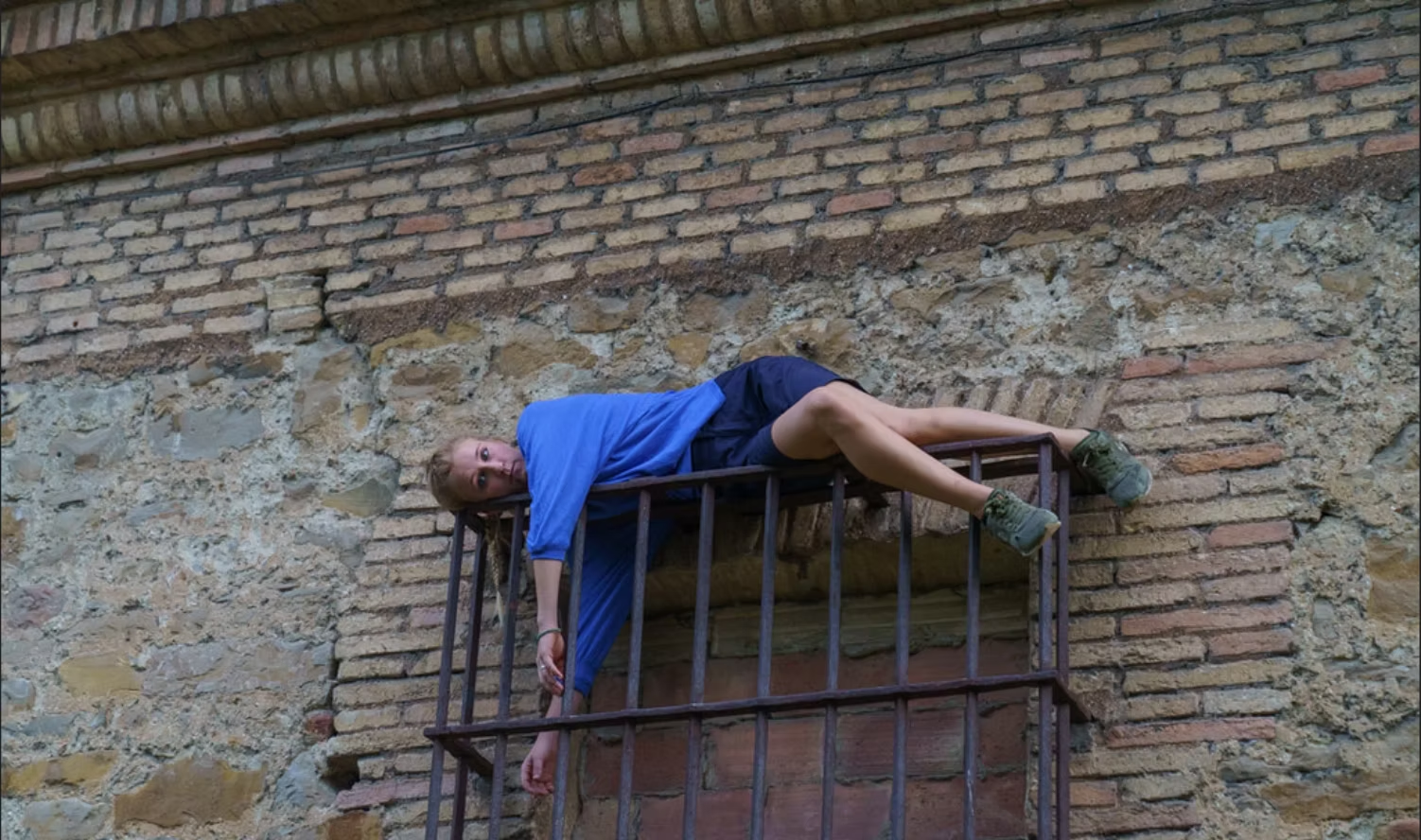
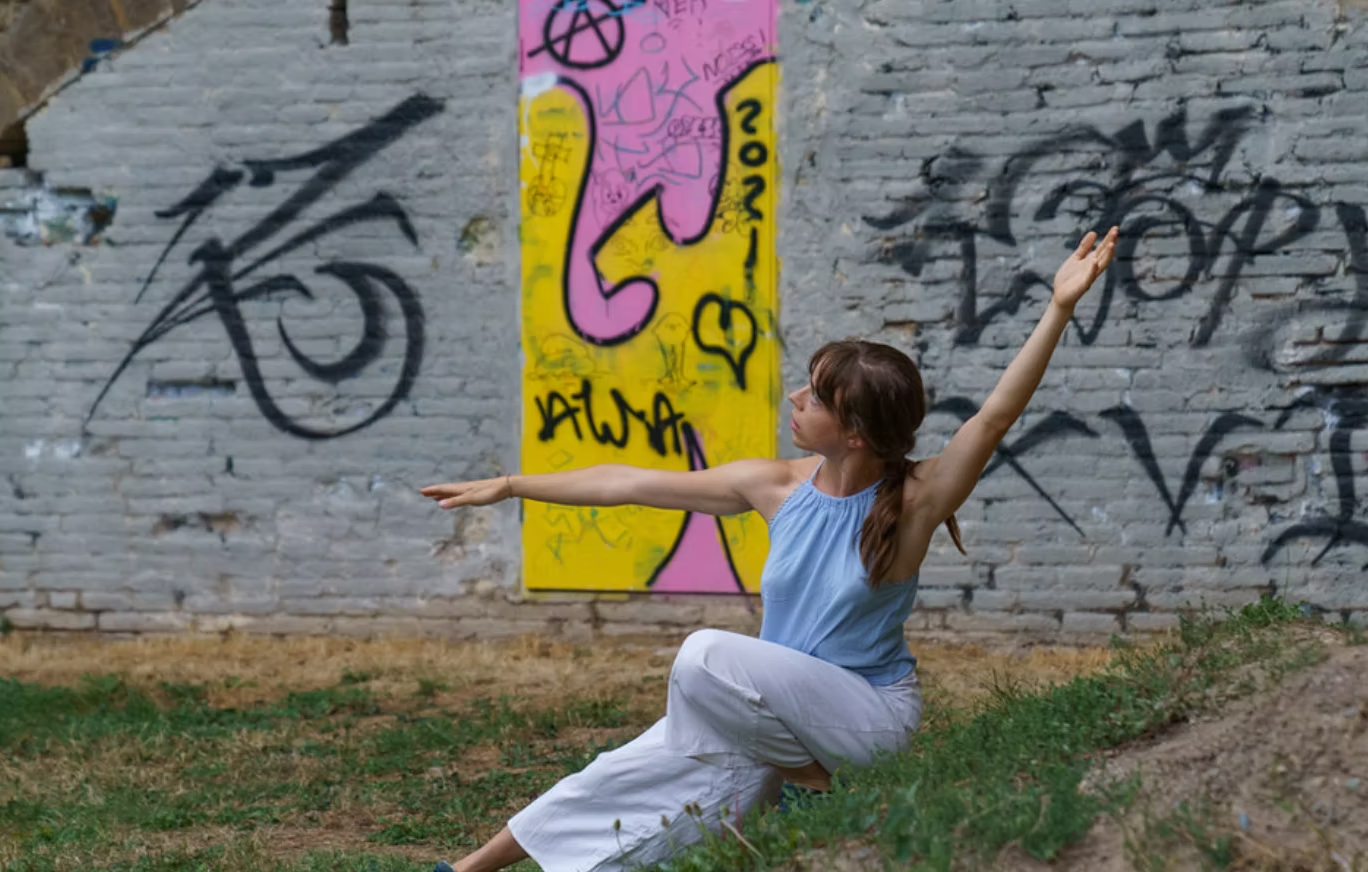
CUERPOGRAFÍAS (Body-graphies) is a dance and territory project led by choreographer Mari Paula that explores the relationship between body, space and city. It draws on the concept of corpography, developed by architect and urban planner Paola Berenstein Jacques, and on the academic research Mari Paula carried out for her Master's thesis in Ibero-American Cultural Studies at the University of Granada, awarded the highest grade. In contrast to the static representation of the map, Cuerpografías proposes a bodily, affective and situated cartography, in which the body records, reads and transforms its relationships with the territory.
Year: 2022 · On tour
Concept and general direction: Mari Paula
«Territory is the extended phenotype of the body.»
— Paola Berenstein Jacques
About the project
Cuerpografías is organised as a short residency of bodily and urban experimentation with selected artists and the spaces of the city where it takes place.
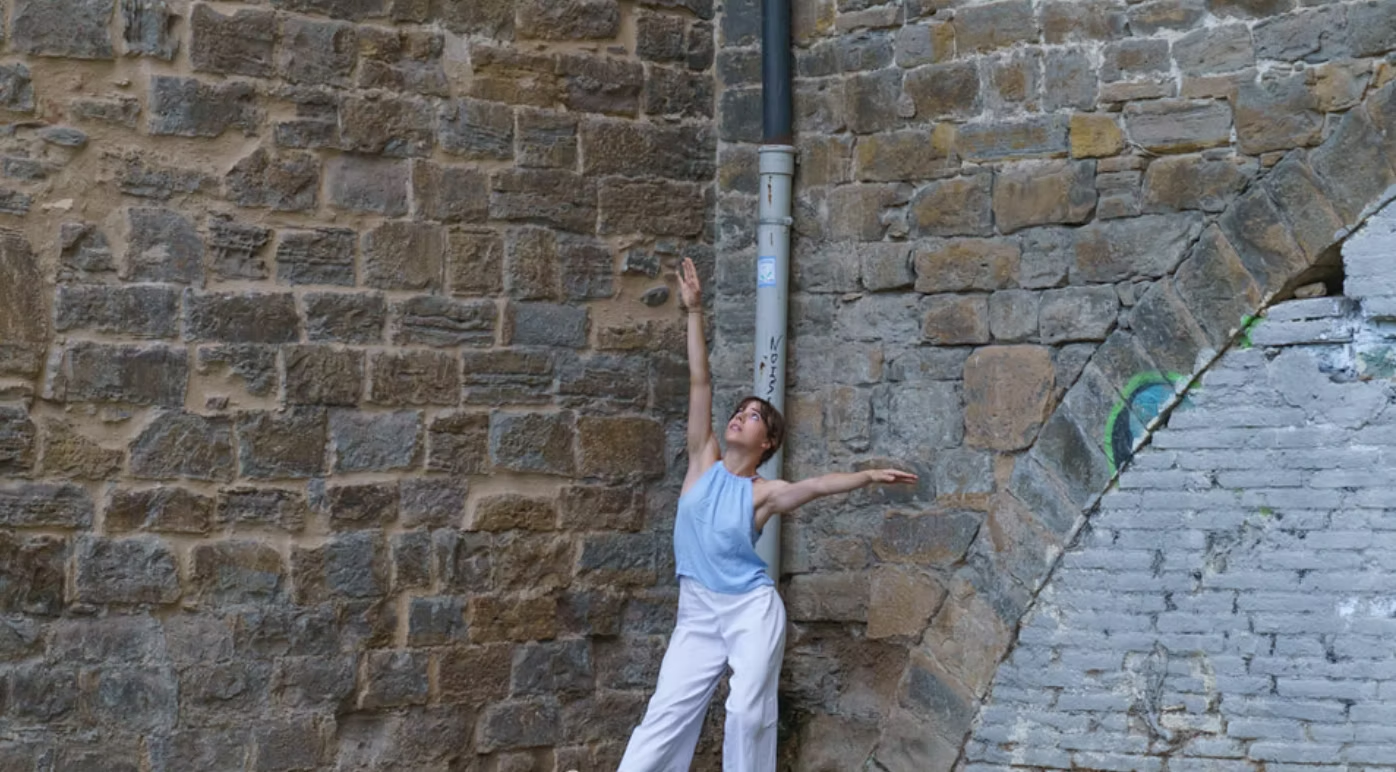
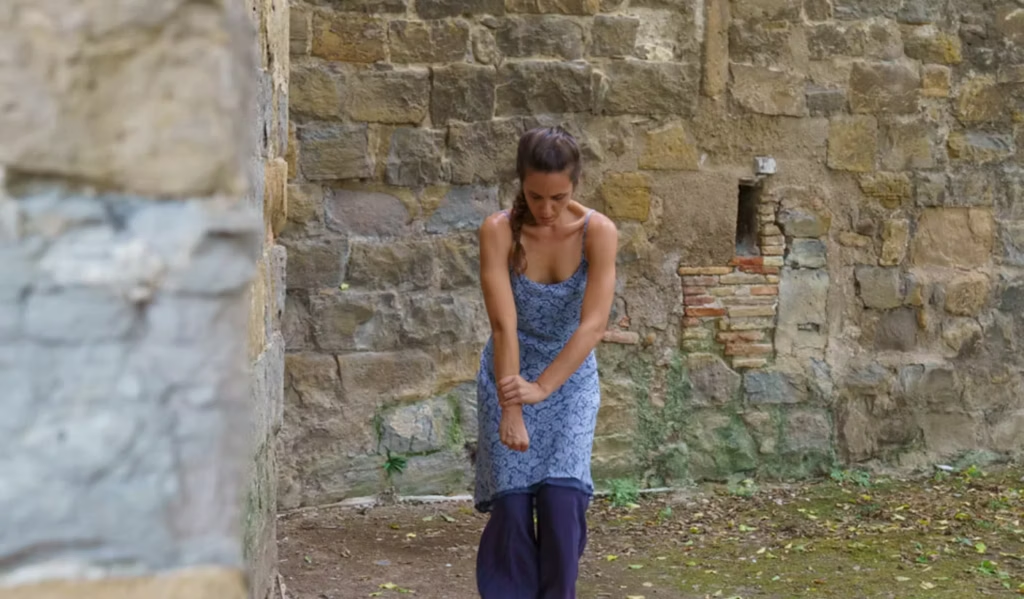
The process begins by drawing and reading a map of the city, which is then walked and reinterpreted with the body. Participants explore its spaces, routes, rhythms, architectures, relationships and pulses, building a bodily and affective cartography of the territory.
The project sets up a direct dialogue between dance, architecture and urban planning and can be part of the programmes of festivals, choreographic centres, universities, cultural centres, art spaces and territory-related projects. It has been developed in collaboration with Torreón Arquitectura y Territorio.
The process takes 6 working days:
Day 1: selection of local artists.
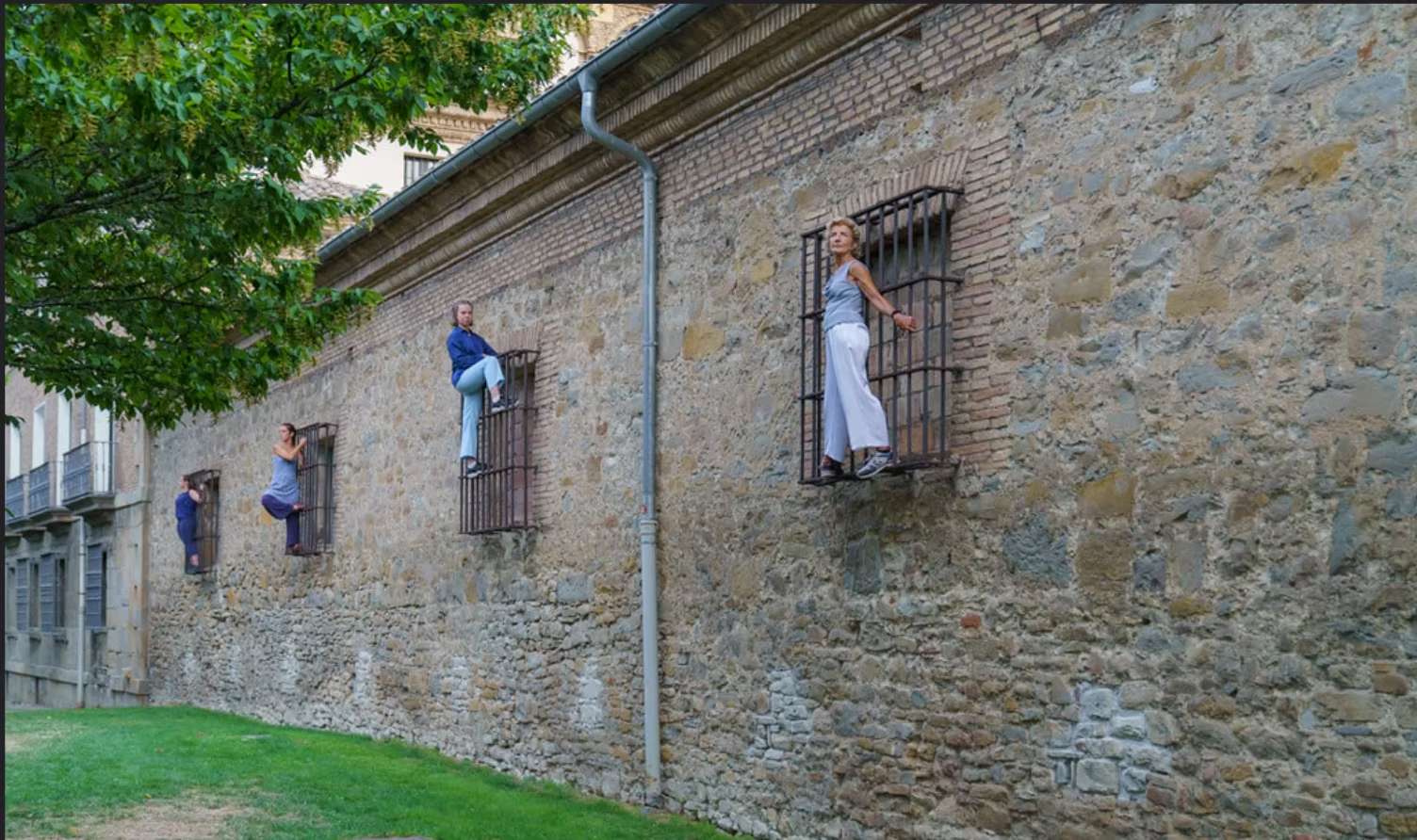
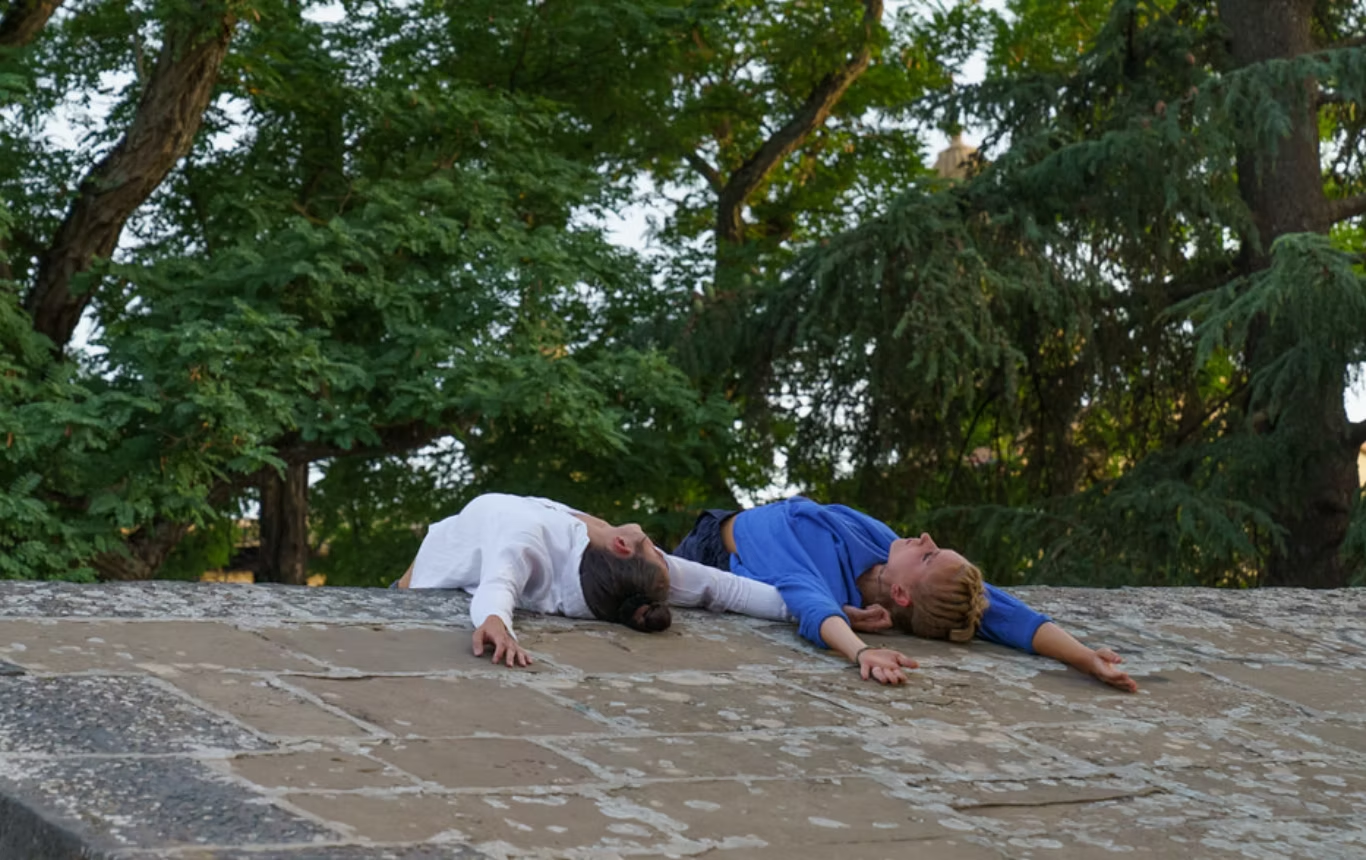
Days 2–5: corpographic experimentation residency in different spaces of the city.
Day 6: Cuerpografías action.
The result is not limited to the final performative action; it values the experiences, encounters and subjectivities each participant develops in relation to the territory.
The research uses tools from Los Orificios, the methodology developed by Mari Paula, based on perception, listening and the body’s capacity to receive, filter and transform what passes through it.
Territory written through the body
Derived from the word cartography, the concept of corpography first appears in the studies and writings of architect and urban planner Paola Berenstein Jacques, from 2003 onwards. Corpography shifts the idea of the map as a static representation towards understanding territory through the bodily experiences that cross it.
Artistic cartography is conceived as an ephemeral action: a drawing that happens through the relationship between subject and space. It is not only about representing a territory, but about producing knowledge and subjectivity through experience.
In Cuerpografías, the map of the territory is read through the body. Its actions, perceptions and movements build an affective map in which city and body change each other.
The project stems from the academic research Mari Paula carried out for her Master’s thesis in Ibero-American Cultural Studies at the University of Granada, awarded the highest grade, and has been developed in different cities in Spain, Brazil and Mexico.
Team
Performers: local artists from different artistic disciplines
Production: Adrián Torices
Collaboration: Torreón Arquitectura y Territorio
National and international distribution: Sit and See – Iñaki Díez · Raquel Jiménez · Micaela Trigo